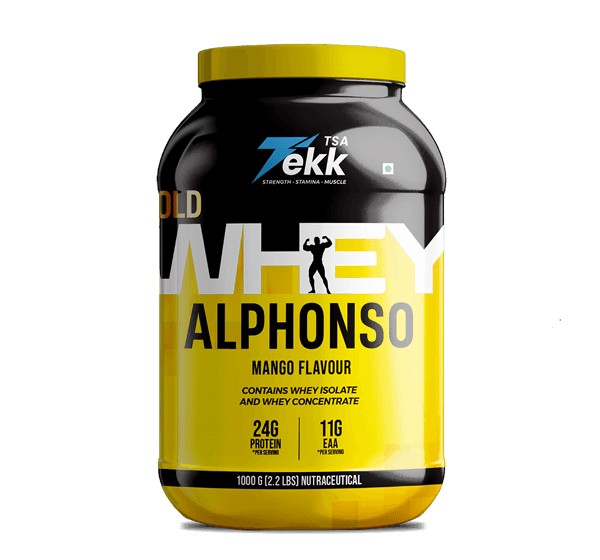
When most people think about whey protein, they think of the gym, muscle gain, and post-workout shakes.
That makes sense. Whey protein is one of the most convenient and effective ways to help complete daily protein intake and support recovery. But research suggests whey protein may offer benefits beyond muscle alone, with potential effects on blood sugar control, insulin sensitivity, liver health, lipid metabolism, and some cardiovascular risk markers.
That does not mean whey protein is a magic ingredient or a replacement for a healthy diet, exercise, or medical treatment. But it does mean whey may be more physiologically interesting than many people assume.
What is whey protein?
Whey is a milk protein derived from milk during cheese production.
It is considered a complete protein, meaning it provides all nine essential amino acids. It is also rich in:
branched-chain amino acids (BCAAs) such as leucine, isoleucine, and valine
cysteine
bioactive peptides that may influence metabolism and other physiological processes
Because of this nutritional profile, whey protein is not just useful for helping people hit protein targets. It may also have mild beneficial effects in certain health contexts.
Whey protein and blood sugar control
One of the most studied areas of whey protein research is its role in glycemic control.
Research suggests whey protein may help reduce post-meal blood glucose spikes and improve insulin response, especially in people with impaired glucose metabolism or type 2 diabetes risk.
Whey reduces post-meal glucose spikes and improves insulin response in people at risk of or with type 2 diabetes.
https://pmc.ncbi.nlm.nih.gov/articles/PMC10709019/
In women with PCOS, whey improved glycemic control, insulin sensitivity, and lowered liver enzymes (ALT, AST).
https://pubmed.ncbi.nlm.nih.gov/34371959/
Whey may reduce oxidative stress linked to postprandial hyperglycemia.
https://pmc.ncbi.nlm.nih.gov/articles/PMC10005124/
Whey also appears to support better lipid metabolism and insulin resistance in some settings, which may be relevant to long-term cardiometabolic health.
https://pmc.ncbi.nlm.nih.gov/articles/PMC10005124/
Whey protein and liver health
Emerging evidence suggests whey protein may also have a role in liver health, especially in metabolic conditions associated with fatty liver and insulin resistance.
A review of multiple RCTs and meta-analyses reported that whey reduced hepatic steatosis, triglycerides, and liver enzymes such as ALT and AST after more than 12 weeks, especially when combined with exercise.
https://pubmed.ncbi.nlm.nih.gov/40863135/
Dairy protein intake, including whey, was inversely associated with NAFLD incidence in adults aged 50 years and older.
https://pubmed.ncbi.nlm.nih.gov/34534894/
In obese, non-diabetic adults, 60 g/day of whey for 4 weeks reduced liver fat by 21% and lowered triglycerides.
https://pubmed.ncbi.nlm.nih.gov/21288612/
Another trial found that 20 g of whey twice daily for 15 days increased resting metabolic rate in milder disease and modulated immune markers.
https://pubmed.ncbi.nlm.nih.gov/32807252/
Additional work has also compared whey and casein supplementation in patients with chronic liver disease.
https://cambridge.org/core/journals/british-journal-of-nutrition/article/comparing-the-effects-of-whey-and-casein-supplementation-on-nutritional-status-and-immune-parameters-in-patients-with-chronic-liver-disease-a-randomised-doubleblind-controlled-trial/0B5A60F0910FFF1B903BF6EFD08CDA74
This does not mean whey protein “treats” liver disease on its own. But it does suggest that in the right context, especially when paired with exercise and an overall appropriate diet, whey protein may support improvements in liver-related markers.
Whey protein and insulin, lipids, and metabolic health
Whey protein may also have mild benefits for broader metabolic health.
In overweight and obese individuals, whey improved fasting insulin and lipid profiles.
https://pubmed.ncbi.nlm.nih.gov/20377924/
It may also support better lipid metabolism and insulin resistance, which could potentially contribute to lower risk of type 2 diabetes and cardiovascular disease over time.
https://pmc.ncbi.nlm.nih.gov/articles/PMC10005124/
These effects are generally not dramatic, but they may still be meaningful when whey protein is used as part of a larger healthy lifestyle strategy.
Whey protein and heart health
A 2025 review of 65 high-quality studies involving 3,822 adults looked at how milk protein, especially whey protein, affects cardiovascular risk markers.
People in these studies took about 30 to 60 g per day of milk protein for several weeks to months.
Main findings from the review
Total cholesterol dropped by about 4 mg/dL
Triglycerides dropped by about 6 mg/dL
Systolic blood pressure dropped by about 2 mmHg
There were no major changes in:
HDL cholesterol
LDL cholesterol
diastolic blood pressure
liver health markers
oxidative stress markers
Research link:
http://pubmed.ncbi.nlm.nih.gov/40471664/
Why a small blood pressure change may still matter
A 2 mmHg reduction in systolic blood pressure may sound small, but even modest reductions at the population level can matter. Small shifts in average blood pressure are associated with meaningful reductions in cardiovascular risk across large groups.
Who may benefit the most?
The improvements appeared to be larger in people with:
high cholesterol
elevated blood pressure
metabolic health issues
That suggests whey protein may be more useful in people who already have higher cardiometabolic risk, especially as part of a broader healthy lifestyle.
Practical takeaways: should you use whey protein for health benefits?
Whey protein can be a convenient and effective way to help complete your daily protein intake. For many people, it is practical, well tolerated, and supported by studies showing mild additional health benefits, including possible improvements in glycemic control, lipid markers, and liver-related markers.
But context matters.
If you are already consistently reaching around 1.5 to 2 g of protein per kg of body weight per day, there may be little reason to add extra whey just for the sake of it. Its biggest value often lies in helping bridge the gap between your actual intake and your protein needs.
For example:
If you weigh 80 kg, you may need around 120 g of protein per day depending on your activity level, body composition goals, and overall context.
If whole food alone does not make that easy, whey protein can be a useful and convenient tool.
Whey protein works best with exercise
The benefits of whey protein are more meaningful when it is paired with other evidence-based habits, especially:
regular exercise
adequate total daily protein intake
an overall high-quality diet
enough fiber, carbohydrates, and fats to match your needs
appropriate calorie intake
Whey protein can complement this foundation, but it cannot replace it.
Is whey protein a replacement for medicine?
No.
Whey protein is not a replacement for medications if your doctor has prescribed them. It is better thought of as a potential add-on tool, not a substitute for medical care.
If you have high blood pressure, high cholesterol, fatty liver, diabetes, PCOS, or any other medical condition, whey protein may fit into a broader strategy, but it should not replace appropriate diagnosis, treatment, or follow-up.
The bottom line
Whey protein is more than just a convenient gym supplement.
Research suggests it may offer mild additional health benefits beyond helping you hit your protein target, including possible support for:
blood sugar control
insulin sensitivity
lipid metabolism
liver health markers
some cardiovascular risk markers
That said, the effects are usually modest, and whey protein works best when used as part of a bigger picture that includes exercise, adequate protein intake, a balanced diet, and medical care when needed.
Use whey protein as a tool to help complete your protein requirement, not as a shortcut or cure-all.
Disclaimer
This post is for educational purposes only and is not medical advice. The information summarizes research findings from a 2025 meta-analysis and other published studies, and is not a substitute for professional diagnosis or treatment. Individual responses to supplements vary based on factors such as health status, medical history, and concurrent medications. Always consult a qualified healthcare professional before starting, stopping, or changing any dietary supplement, especially if you have a medical condition or are taking prescribed medication.
Research links
https://pmc.ncbi.nlm.nih.gov/articles/PMC10709019/
https://pubmed.ncbi.nlm.nih.gov/34371959/
https://pmc.ncbi.nlm.nih.gov/articles/PMC10005124/
https://pubmed.ncbi.nlm.nih.gov/40863135/
https://pubmed.ncbi.nlm.nih.gov/34534894/
https://pubmed.ncbi.nlm.nih.gov/21288612/
https://pubmed.ncbi.nlm.nih.gov/32807252/
https://cambridge.org/core/journals/british-journal-of-nutrition/article/comparing-the-effects-of-whey-and-casein-supplementation-on-nutritional-status-and-immune-parameters-in-patients-with-chronic-liver-disease-a-randomised-doubleblind-controlled-trial/0B5A60F0910FFF1B903BF6EFD08CDA74
https://pubmed.ncbi.nlm.nih.gov/20377924/
http://pubmed.ncbi.nlm.nih.gov/40471664/