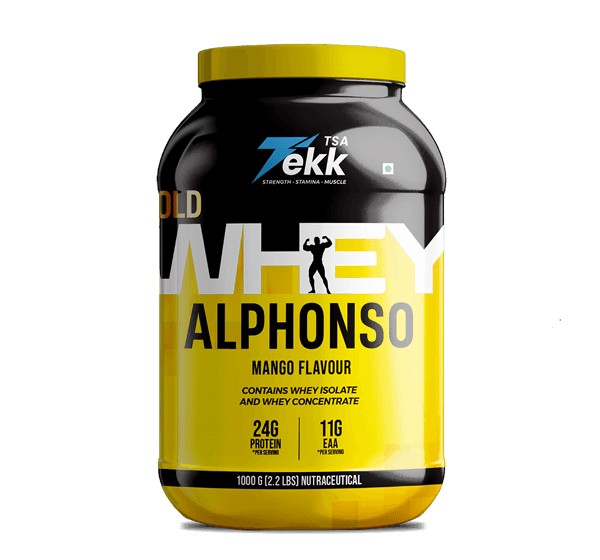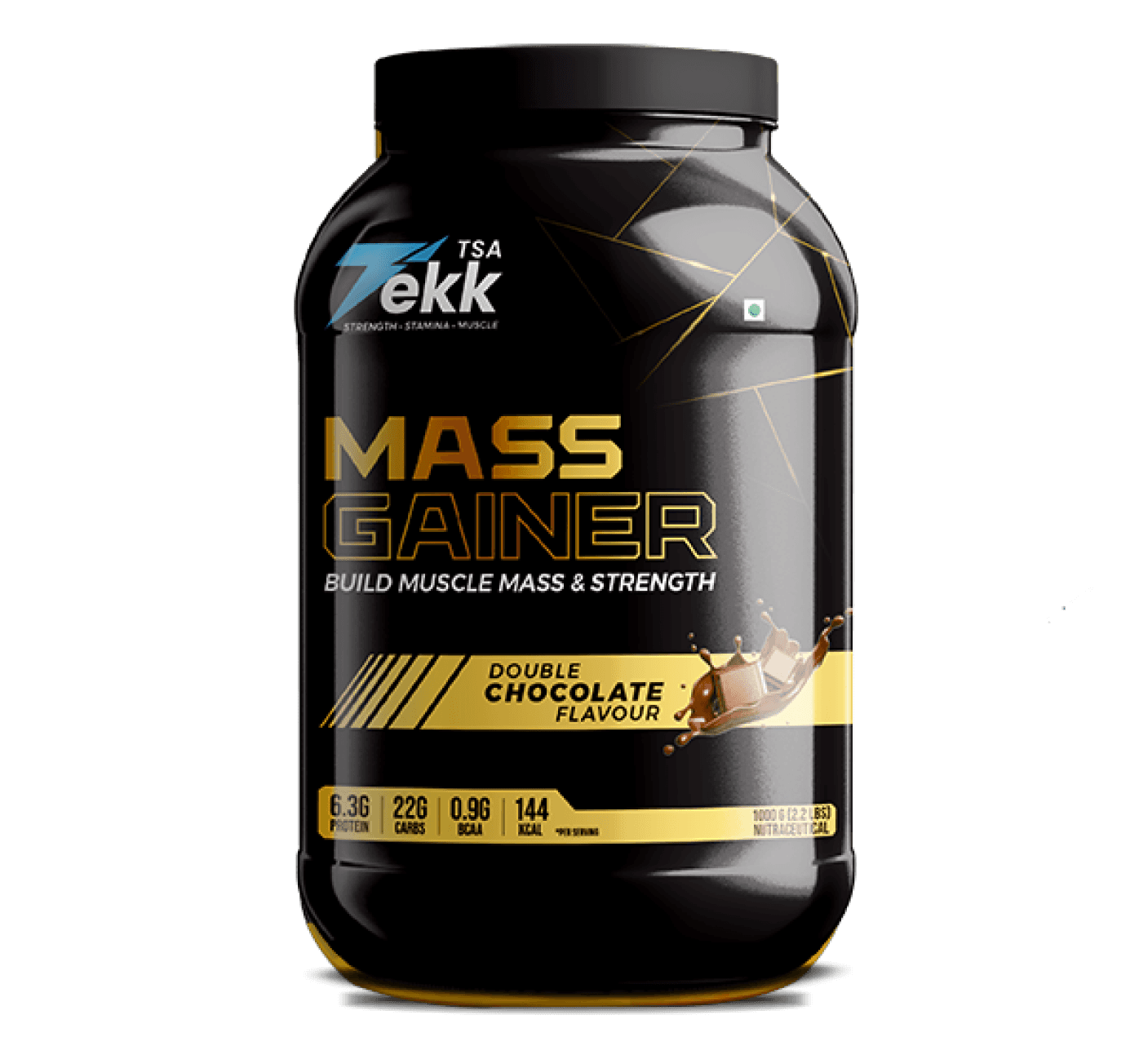
A lot of people assume that if a whey protein powder mixes very well in water or milk, something must be wrong with it.
Not really.
Pure whey protein on its own is not supposed to mix perfectly well in liquid. It can float, form clumps, and resist wetting. That is normal. But there is one ingredient that can dramatically improve mixability without changing the protein in any meaningful way:
Sunflower lecithin.
This is one of the main reasons many whey protein powders mix smoothly and easily.
What is sunflower lecithin?
Sunflower lecithin is a natural fatty substance extracted from sunflower seeds, usually during sunflower oil processing. It is rich in phospholipids, which are fats that are also important components of cell membranes in the human body.
It is plant-derived and commonly used in food products as an emulsifier, meaning it helps ingredients mix better when they would not naturally blend well, such as oil and water.
You can find sunflower lecithin in foods, supplements, powders, capsules, granules, and liquid formulations.
Why is sunflower lecithin added to whey protein?
Sunflower lecithin is commonly added to whey protein powder to improve mixability, dispersibility, and texture.
Pure whey protein tends to be hydrophobic at the surface, which means it does not always wet easily when added to liquid. This can lead to clumping, floating, and poor mixing. Sunflower lecithin helps solve that problem.
How sunflower lecithin improves whey protein mixability
Improves wettability
Sunflower lecithin coats the whey particles and helps water spread over them more easily. Instead of the powder sitting on top of the liquid, it becomes wet faster.Reduces clumping
It helps reduce surface tension and allows the powder to disperse more evenly through the liquid.Increases dispersibility
Whey protein powder spreads more easily throughout water or milk, even in colder liquids.Helps suspension
It can help protein particles remain distributed in the drink rather than settling quickly at the bottom.
In simple terms, sunflower lecithin makes whey protein easier to shake, stir, and drink.
Does sunflower lecithin affect protein quality?
No, not in any meaningful negative way.
Sunflower lecithin is usually used in very small amounts and its purpose is mainly functional. It improves how the powder behaves in liquid, but it does not meaningfully reduce the protein quality or nutritional value of the whey.
Its main role is to improve usability, not to “dilute” the product in any meaningful way.
How much sunflower lecithin is usually added to whey protein?
In whey protein powders, sunflower lecithin is typically used at around 0.2% to 0.5% of the final product.
That means:
In 1 kg of instantised whey protein, only about 2 to 5 grams may be sunflower lecithin
In one 30 gram scoop, that is roughly 60 to 150 mg
These are very small amounts, but they are enough to significantly improve mixability.
Is sunflower lecithin safe?
For most healthy people, sunflower lecithin is generally considered safe when consumed in normal food or supplement amounts.
It is widely used in the food industry and has a strong safety profile.
Regulatory status of sunflower lecithin
GRAS (Generally Recognized as Safe) by the U.S. FDA
Approved by EFSA as a food additive under E322
JECFA and EFSA have not specified an Acceptable Daily Intake, which generally reflects a high safety margin at normal levels of intake
How much sunflower lecithin is considered safe?
There is no official required daily intake for sunflower lecithin.
However, available data and supplement usage patterns suggest:
Supplemental doses of around 2 to 3 grams per day are generally well tolerated in healthy adults
Some clinical studies on lecithin sources such as soy or egg lecithin have used 5 to 15 grams per day without major adverse effects in most populations
Typical food intake is usually far below those levels
Now compare that to whey protein:
If one 30 gram scoop contains around 150 mg of sunflower lecithin, that is only a small fraction of amounts commonly used in supplements or research.
So the amount of sunflower lecithin you get from whey protein is usually very low.
Does sunflower lecithin have any potential health benefits?
Sunflower lecithin is mainly added for functionality, especially mixability and texture. That said, lecithin contains phospholipids, which have biological roles in the body, especially in cell membranes.
Some research on lecithin and phospholipid intake suggests potential benefits in certain contexts, but whey protein powders use very small amounts. So it is better to view sunflower lecithin in whey primarily as a useful food ingredient, not as a major health supplement.
Should you be suspicious if your whey protein mixes well?
No.
A whey protein that mixes well is not automatically suspicious. In many cases, it simply means it has been instantised, often with a very small amount of sunflower lecithin.
That is normal food science.
A well-mixing whey protein does not mean it is low quality. In fact, better mixability often improves the user experience and makes the powder more practical for daily use.
The bottom line
If your whey protein mixes well, that is usually not a red flag.
It often means the product contains a small amount of sunflower lecithin, a commonly used plant-derived emulsifier that helps improve:
wettability
dispersibility
texture
ease of mixing
The amount used is usually very small, does not meaningfully affect the nutritional value of the whey, and is generally considered safe by major regulatory bodies.
So no, good mixability alone is not something to fear.
Sometimes it is just good formulation.
References
https://pubmed.ncbi.nlm.nih.gov/11377940/
https://conicet.gov.ar/new_scp/detalle.php?id=05457&inst=yes&congresos=yes&detalles=yes&congr_id=1994705
https://amitexindia.com/blogs/sunflower-lecithin-the-natural-non-gmo-emulsifier-for-food-pharma-and-feed-industries
https://pmc.ncbi.nlm.nih.gov/articles/PMC7010002/
https://pubmed.ncbi.nlm.nih.gov/11358109/